
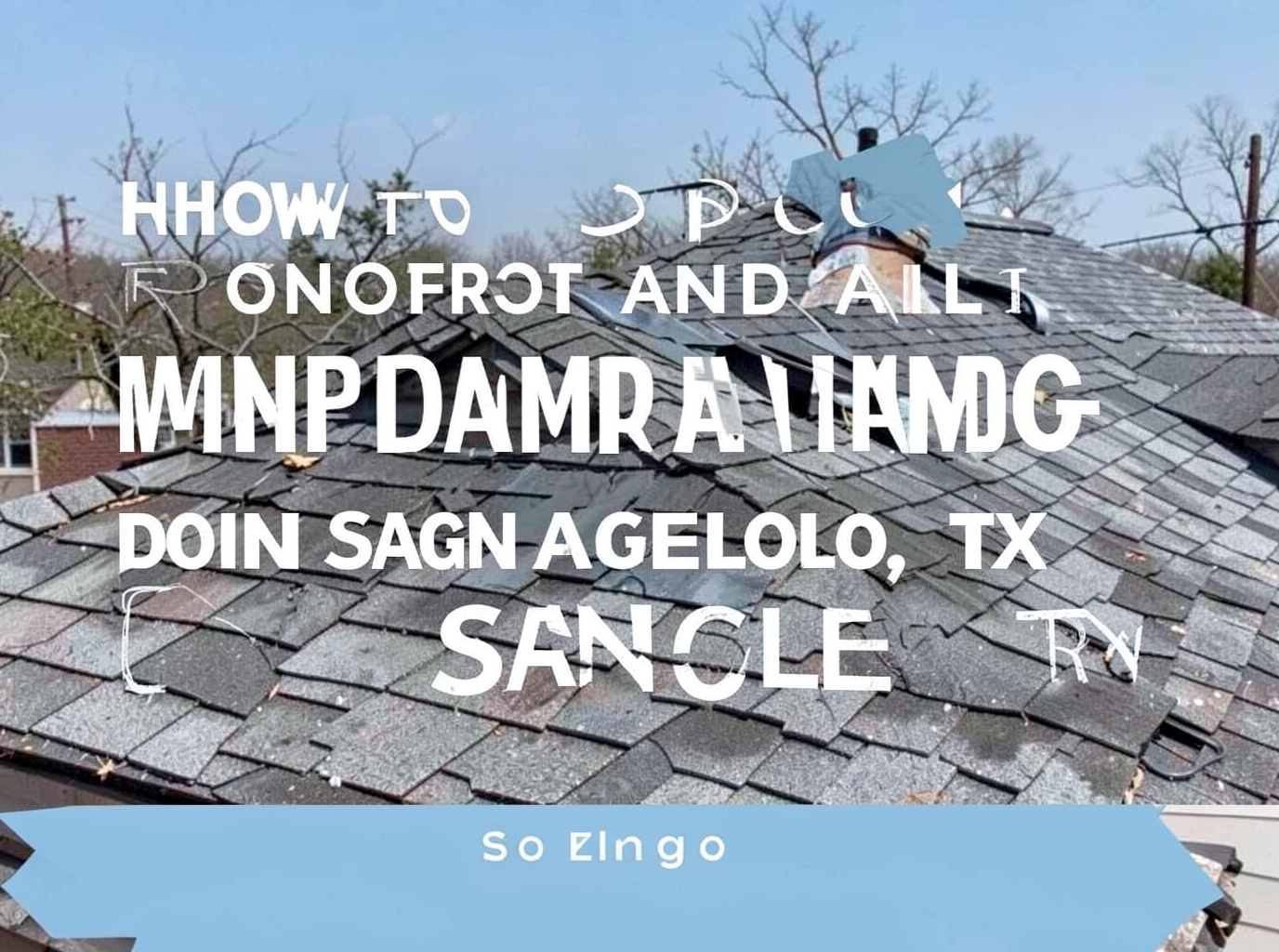
Central San Angelo homes sit close to the Concho River and Fort Concho, where older frame and brick houses from the early 1900s line streets like Chadbourne and Oakes. A roofing contractor working these blocks sees steep pitches on historic properties and flat sections on later additions, both exposed to intense sun that bakes shingles and dries sealants fast. Flash rain events can send water toward foundations, so crews pay extra attention to valley flashing and gutter tie-ins when replacing roofs here.
Access in Central San Angelo often means tight alleys behind Santa Rita blocks or narrow driveways near the river walk. Equipment must be staged carefully to avoid damaging established landscaping or blocking Concho River traffic patterns. Local crews know which blocks have alley power lines that limit crane use and which corner lots allow easier material drops from adjacent streets.
Tom Green County summers push roof surface temperatures high, while winter nights bring occasional freezes that crack older underlayment. A roofing company familiar with these blocks schedules work around the hottest hours and uses ice-and-water shield along eaves where river humidity lingers longer than in outlying neighborhoods.
Around Central San Angelo, TX
We regularly work near:
- 📍Fort Concho National Historic Landmark
- 📍Concho River
- 📍Chadbourne Street
- 📍Oakes Street
- 📍El Paseo de Santa Angela
- 📍San Angelo Central High School
Roofing Contractor in Central San Angelo, TX — Local Notes
- •Many Central San Angelo homes built before 1950 have original wood decking that requires inspection before new shingles can be installed.
- •River proximity increases the chance of wind-driven rain entering attic vents, so ridge vent upgrades are common on replacements along the Concho.
- •Narrow historic lots limit dumpster placement, requiring daily debris hauling from jobs near Fort Concho.
- •Semi-arid sun exposure fades dark shingles faster on south-facing slopes typical in the Santa Rita grid.