
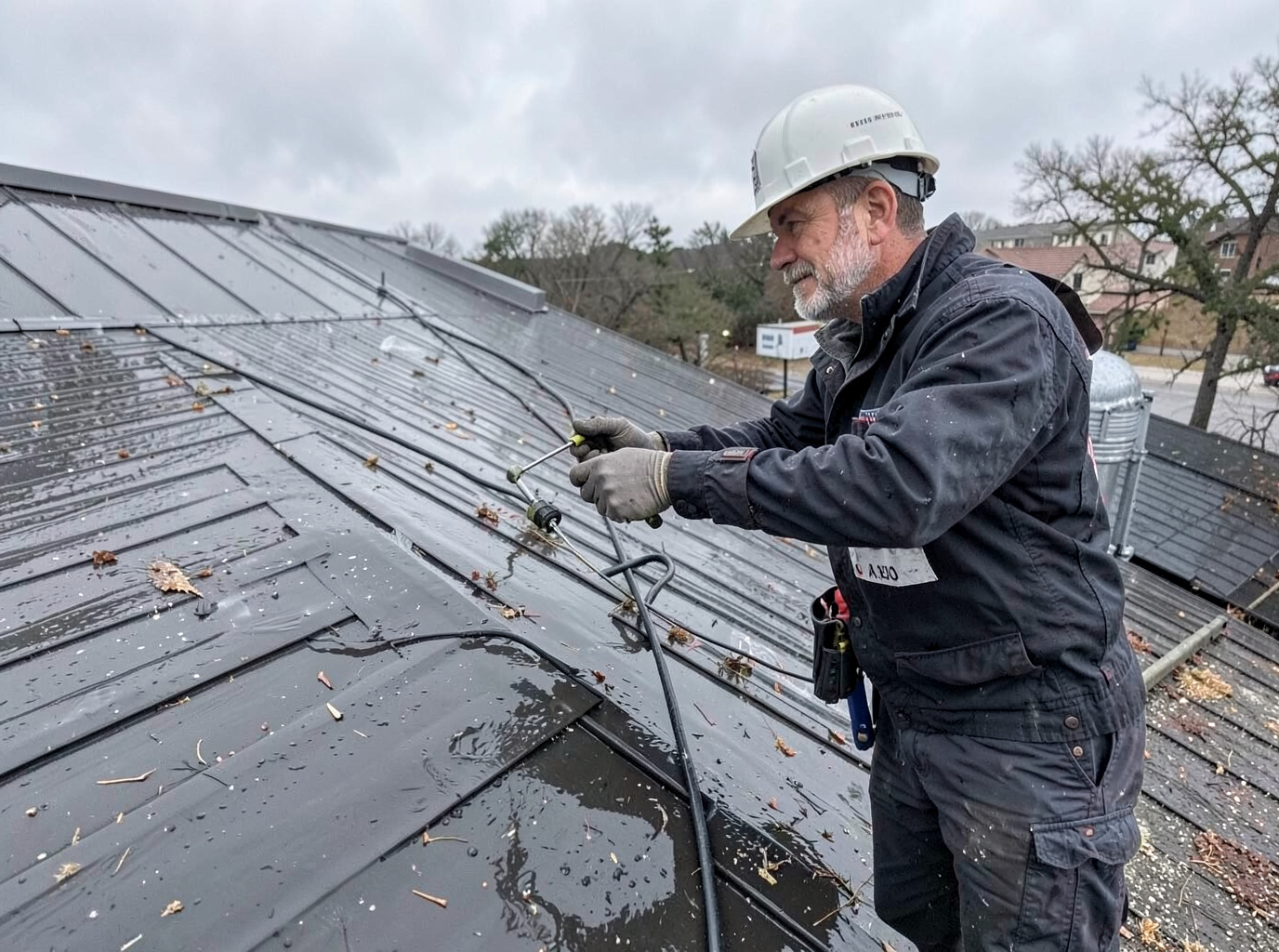
North San Angelo sits along the northern stretches of the Concho River with homes ranging from older single-story ranches in Lake View to newer builds edging Angelo Heights. A roofing contractor working here sees the effects of the semi-arid climate every day: intense summer sun bakes shingles while occasional winter freezes can lift flashing on older decks. Crews based in San Angelo, TX reach these neighborhoods quickly via North Bryant Boulevard and US 87 without crossing the river bridges that slow downtown jobs.
Wind funnels across open lots north of the river, so roof edges and ridge vents take extra abuse compared to sheltered streets farther south. Drainage matters on the slight slopes that run toward the Concho; a small leak near a valley can send water under the eave before it reaches the gutter. Local roofing company teams plan material staging around narrow driveways common in Santa Rita extensions and keep extra underlayment on hand for the sudden temperature swings typical after a front moves through Tom Green County.
Jobs here often involve coordinating around school traffic near Lake View and timing tear-offs before summer heat peaks. The same semi-arid conditions that dry out yards also accelerate granule loss on south-facing slopes, so inspections focus on those exposures first.
Around North San Angelo, TX
We regularly work near:
- 📍Concho River
- 📍San Angelo State Park
- 📍Lake View
- 📍North Bryant Boulevard
- 📍Angelo Heights
Roofing Contractor in North San Angelo, TX — Local Notes
- •Open terrain north of the Concho River increases wind uplift on eaves and ridges, requiring extra fasteners and sealed ridge vents.
- •Many North San Angelo homes have low-slope sections over carports and porches that collect dust and debris, shortening shingle life unless cleaned during service.
- •Access on narrower streets near Lake View means crews stage trucks on one side only and use smaller equipment to avoid blocking school buses.
- •Cool winter nights followed by warm days cause repeated expansion on metal flashings, so crews check step flashing around chimneys on every visit.